
NAGASAKI & GOTO · HIDDEN CHRISTIANS
Nagasaki & the Gotō Islands, where faith and history live on
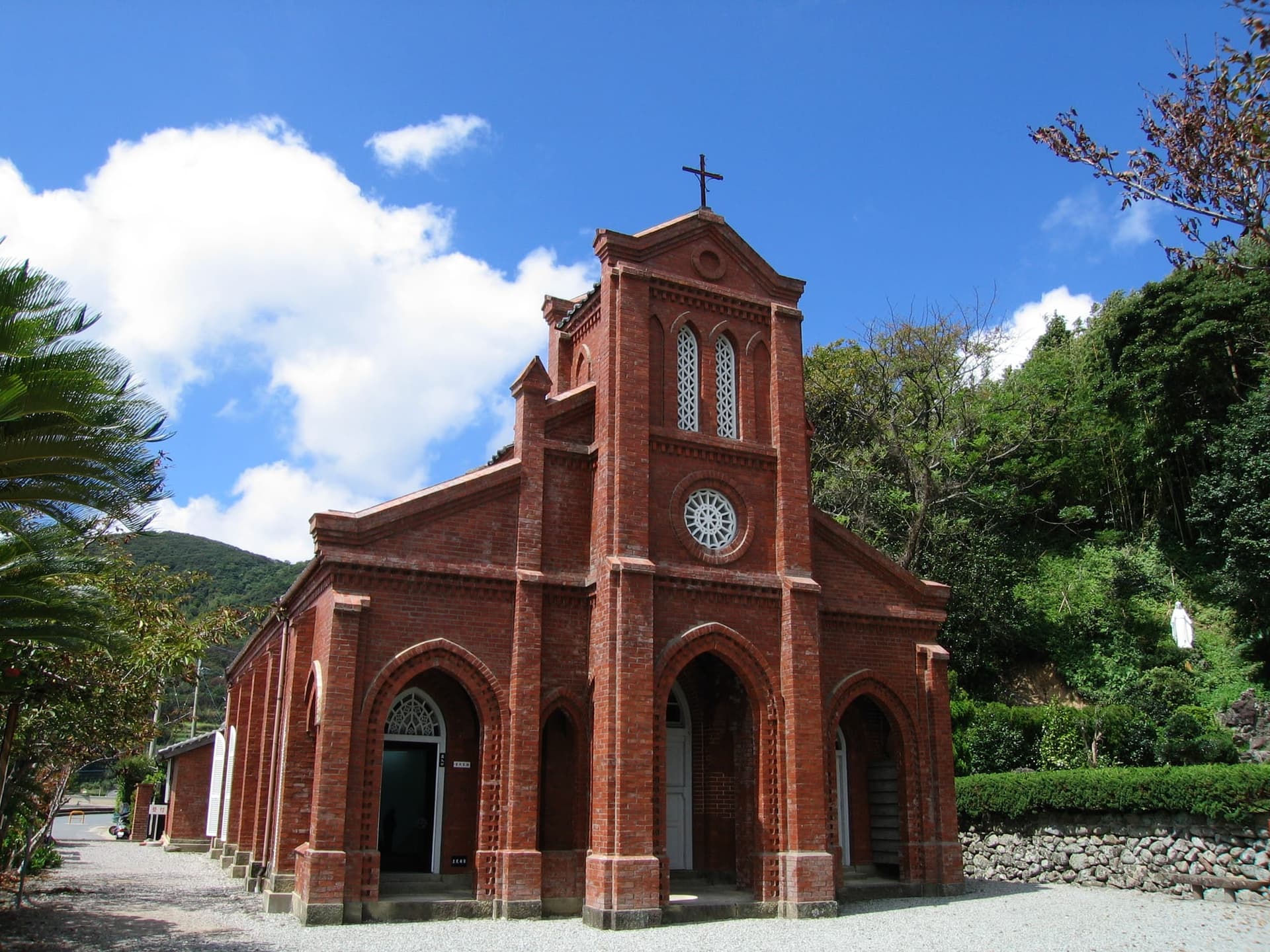
Nagasaki and the Gotō Islands have walked together with faith ever since Christianity was first brought here in the 16th century. During the era of prohibition, countless believers quietly kept their prayers alive as “Hidden Christians,” and their witness still lives on in the culture and landscape of the region. On the Gotō Islands alone, more than fifty churches are scattered across the land, many of them part of the UNESCO World Heritage Site “Hidden Christian Sites in the Nagasaki and Amakusa Region.” Rising on islands surrounded by blue seas and lush green nature, these churches bear witness to the journey of faith and leave a deep impression on all who visit.
History & Faith
 01Arrival & Acceptance
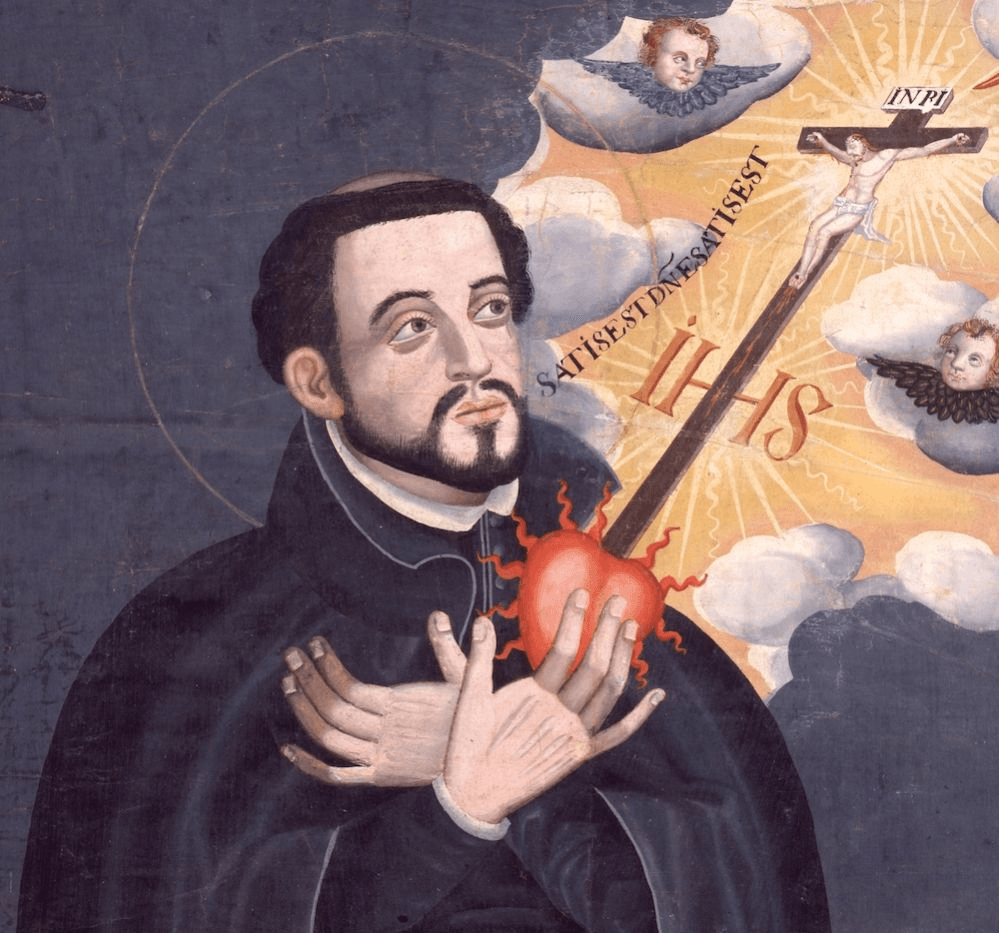
The age when Christianity was brought and the faith took root
(mid-16th to late 16th century)
 02Prohibition & Hiding
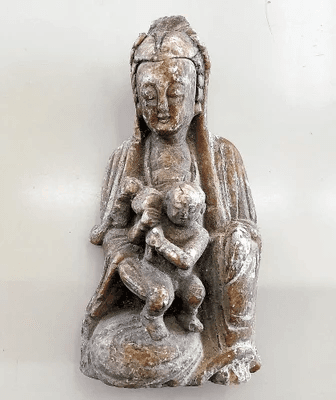
The age when prayer was kept alive amid harsh persecution
(early 17th to mid-19th century)
 03Revival of Faith
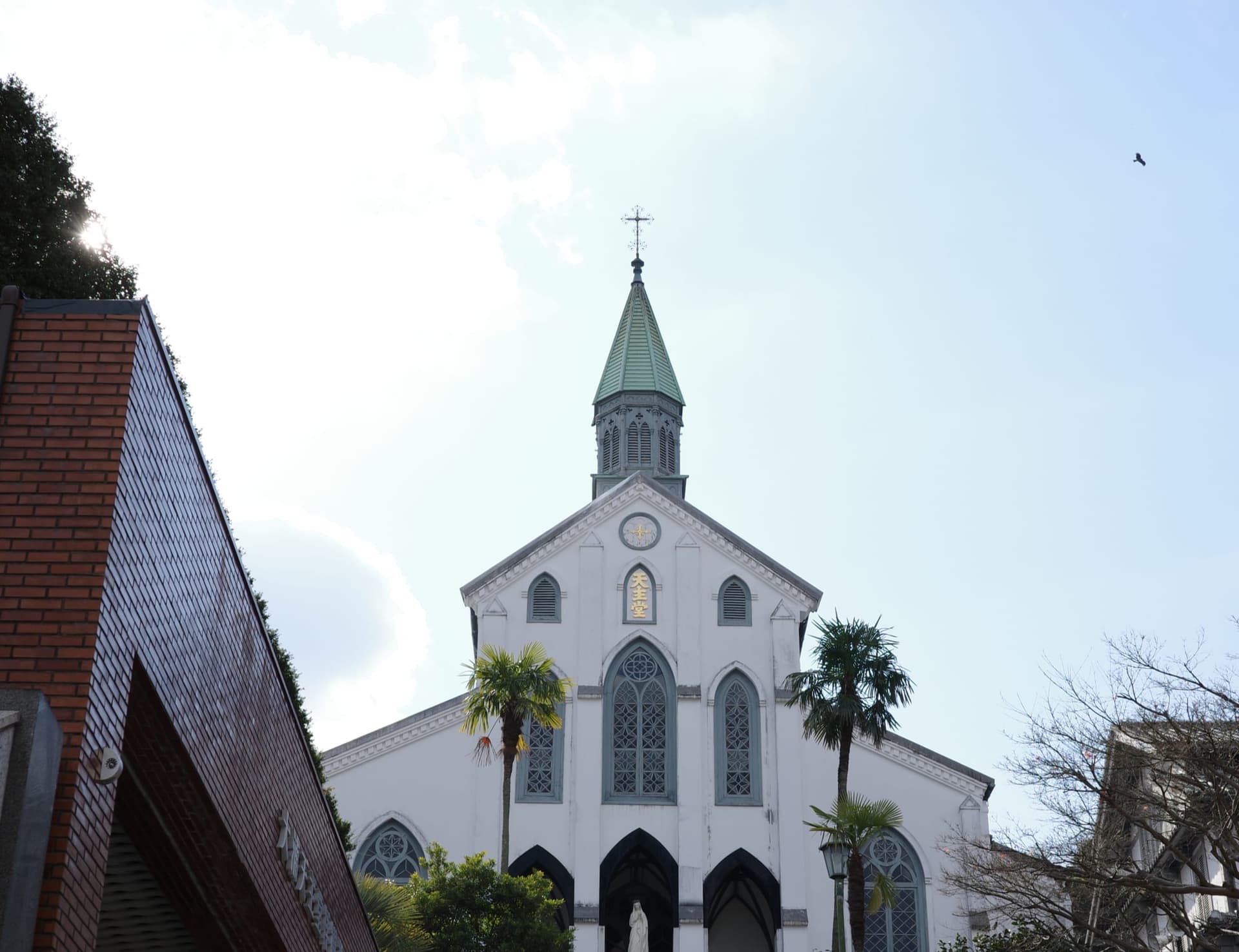
The age when the era of hiding ended and prayer was offered openly once more
(late 19th to 20th century)
Roundups & Martyrdom
CHRONOLOGY
An Outline of the Christian History
- 1549Francis Xavier lands at Kagoshima.
- 1550Francis Xavier visits Hirado.
- 1582The Tenshō boy embassy is sent to Rome. Oda Nobunaga dies in the Honnō-ji Incident.
- 1587Toyotomi Hideyoshi issues the edict expelling the missionaries.
- 1597Martyrdom of the 26 Saints at Nishizaka (Feb 5, 1597).
- 1614Tokugawa Ieyasu proclaims the ban on Christianity; missionaries are expelled from the country.
- 1619All churches in Nagasaki are destroyed.
- 1622The Great Genna Martyrdom: 55 missionaries and believers are martyred at Nishizaka.
- 1629The “fumi-e” (image-trampling) tests begin in Nagasaki.
- 1644Mancio Konishi, the last hidden priest, is martyred.
- 1657Christians are arrested in Kōri village of the Ōmura domain (the Kōri Roundup).
- 1790The First Urakami Roundup.
- 1797Hidden Christians from the Sotome area of the Ōmura domain migrate to Gotō.
- 1804The Amakusa Roundup.
- 1856The Third Urakami Roundup.
- 1859The Treaty of Amity and Commerce between Japan and the United States is concluded.
- 1863Father Petitjean arrives in Nagasaki.
- 1865The dedication of Ōura Cathedral and the Discovery of the Hidden Christians.
- 1867The Fourth Urakami Roundup begins.
- 1868The persecution of Christians in Gotō begins.
- 1889Freedom of religion is guaranteed under the Constitution of the Empire of Japan.
Source & reference: “Nagasaki Yūgaku 2: The Complete Guide to the Churches and Pilgrimage Sites of Nagasaki and Amakusa,” edited by Nagasaki Bunkensha, supervised by the Catholic Archdiocese of Nagasaki; Nagasaki Bunkensha.
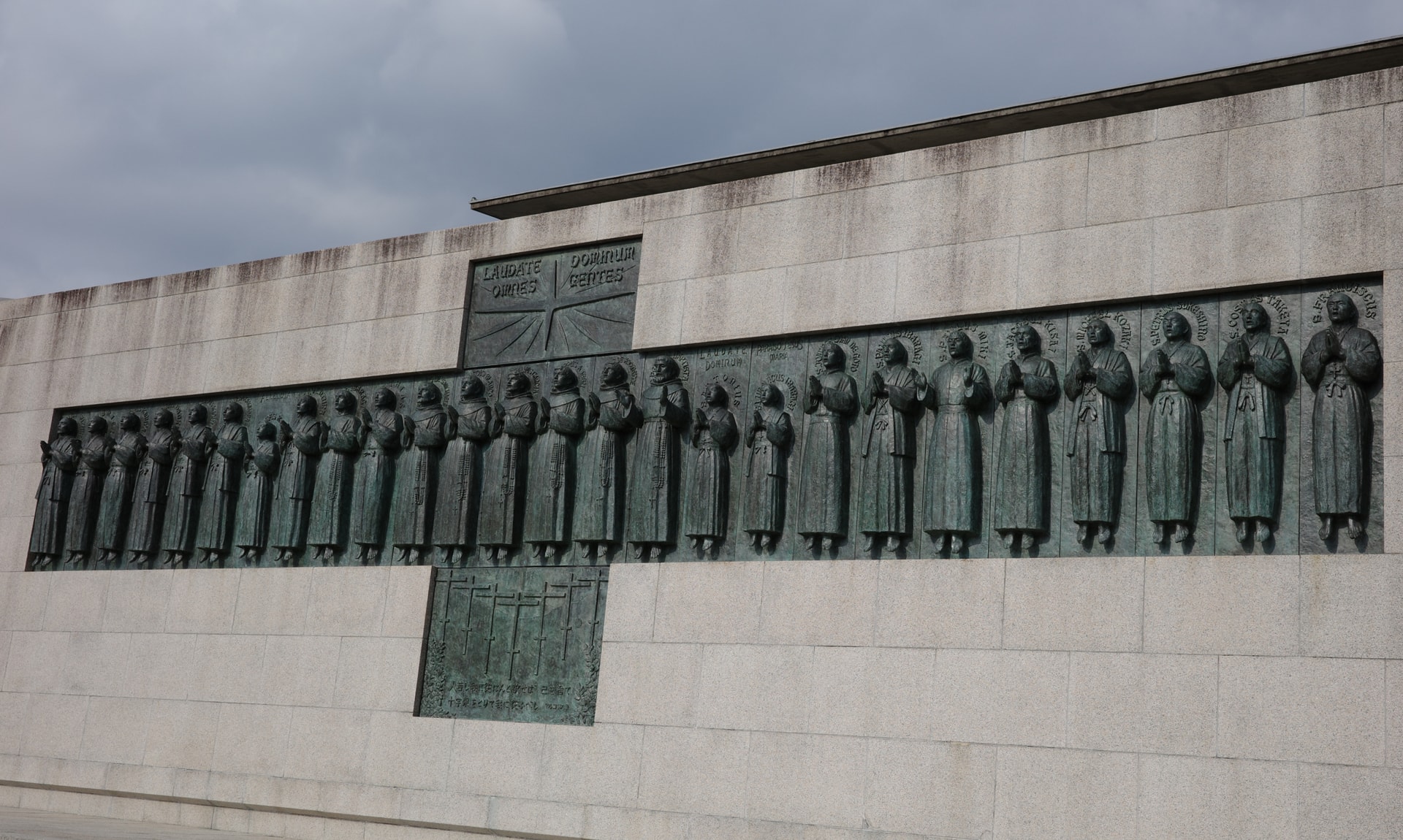
Martyrdom of the 26 Saints
In 1597, by order of Toyotomi Hideyoshi, 26 Catholic believers were executed on the hill of Nishizaka in Nagasaki. It was the first time in Japan that people were executed by command of the supreme ruler for being Christian. Because they were later canonized, they are known as the “26 Martyrs of Japan.”
The youngest was Ludovico Ibaraki, twelve years old. Terasawa Hanzaburō, the Nagasaki magistrate in charge, took pity on the boy of only twelve and offered him, “If you renounce the Christian teaching I will spare your life.” But Ludovico is said to have answered resolutely, “I cannot exchange this world’s fleeting life for the eternal life of heaven,” and refused Terasawa’s offer.
Churches & Pilgrimage Sites of Nagasaki
MAP
Principal Churches & Martyrdom Sites in Nagasaki City
We introduce the places of prayer scattered across the city of Nagasaki, such as Ōura Cathedral and the martyrdom site of Nishizaka. Click a pin to open the map.
- Ōura CathedralSetting of the Discovery of the Hidden Christians. Japan’s oldest surviving church.
- Museum of the 26 Martyrs of JapanThe hill of Nishizaka, site of the martyrdom of the 26 Saints.
- Urakami CathedralA place of prayer rebuilt after the Fourth Urakami Roundup.
- Shitsu Church in SotomeA World Heritage component associated with Father de Rotz.
Churches & Pilgrimage Sites of the Gotō Islands
About fifty churches are scattered across the Gotō Islands, many of them built to nestle close to small fishing villages and island hamlets. Raised with heartfelt prayer by believers who endured the era of prohibition once they had gained freedom of faith, each church tells a story of its own.